
A tradie website lives or dies by its pages. You can have a smart logo and a tidy design, but if the site is missing the pages customers search for, or the pages that convince them to call, it quietly loses work every week. The right pages, on the other hand, do two jobs at once: they help you show up in Google when someone needs you, and they turn that visitor into a booked job.
Here is the thing most tradie websites get wrong. They cram everything onto one or two pages, a homepage and a vague “services” page, and hope for the best. But Google ranks individual pages, and customers search for specific things. A plumber with one page trying to cover blocked drains, hot water, gas fitting and bathroom renovations will struggle to rank for any of them, while a competitor with a focused page for each quietly wins the work.
This guide walks through the website pages that plumbers, electricians and builders actually need, the ones that bring in local searches and convert them into calls. Whether you are building a new tradie website or fixing an existing one, get these pages right and your site starts earning its keep. For the features every page needs, our guide to what a tradie website should include is the perfect companion to this one.
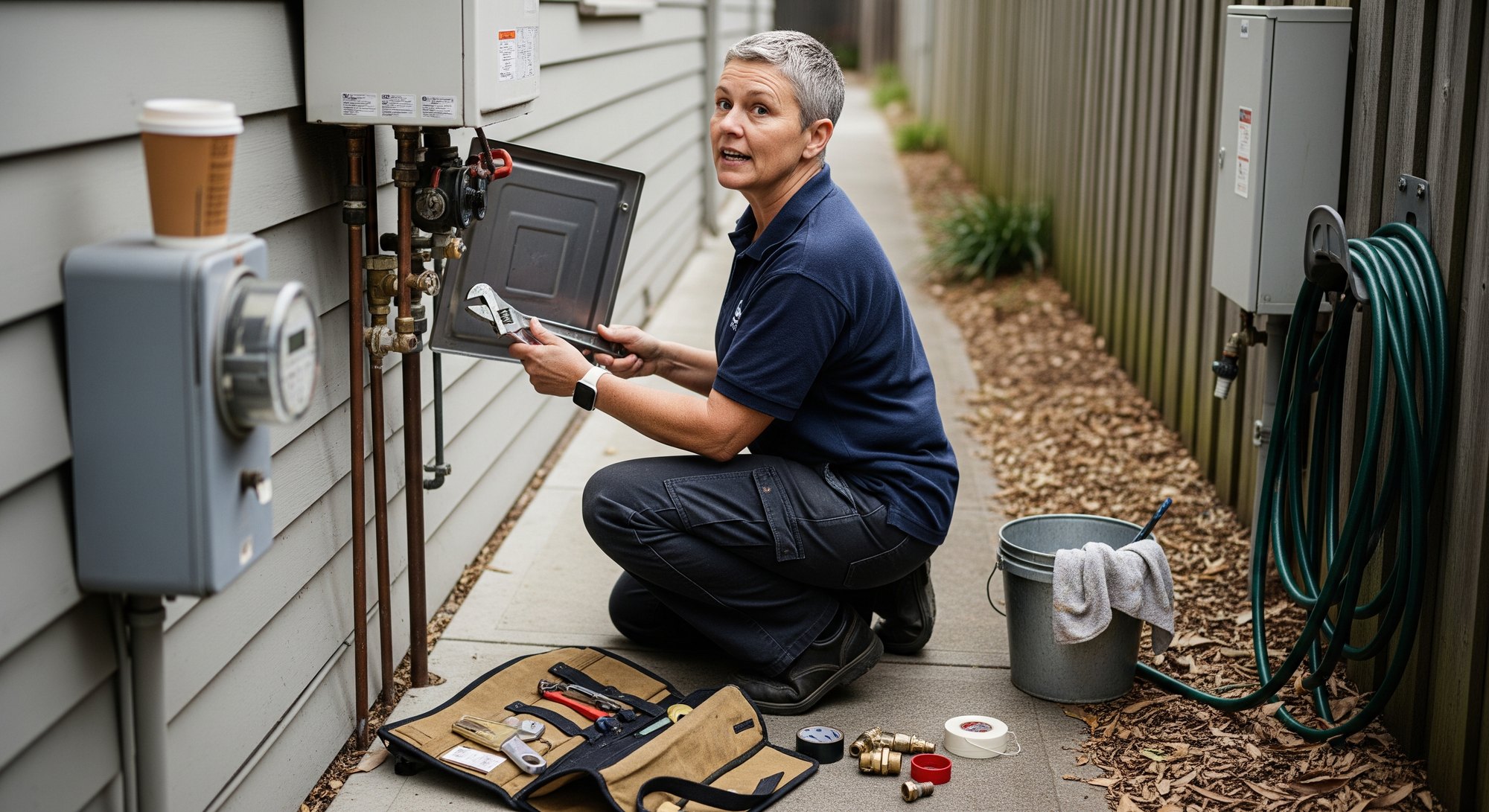
Why the right pages matter so much
Before the list, it helps to understand the two jobs your pages do. The first is being found: Google ranks pages based on how well they match a search, so a dedicated page for “switchboard upgrades” can rank for that search in a way a general homepage never will. More relevant pages means more searches you can appear for.
The second job is converting: once someone lands on your site, the right pages build the trust and remove the friction that turns a visitor into a phone call. Proof of your work, genuine reviews, clear licensing and an easy way to get in touch all live across these pages.
So the goal is simple: a page for each important service you offer, each area you serve, and each thing a customer needs to trust you before they call. Let us walk through them.
1. A homepage that says exactly what you do
Your homepage is often the first impression, and it has seconds to answer three questions: what do you do, where do you do it, and why should someone choose you? A strong tradie homepage states your trade and service area plainly (“Licensed Electricians serving Melbourne’s inner north”), shows a tappable phone number front and centre, and points visitors quickly to your services, your work and your reviews.
It is a hub, not a dumping ground. The homepage should give a confident overview and then guide people to the deeper pages, not try to say everything at once.
2. A separate page for each main service
This is the single biggest opportunity most tradie sites miss. Every core service deserves its own page, because Google ranks pages and customers search for specifics. A plumber should have distinct pages for blocked drains, hot water systems, gas fitting, leak detection and bathroom plumbing. An electrician might have switchboard upgrades, safety switches, lighting, rewiring and emergency electrical.
Each page can then rank for that exact search and speak directly to that customer’s problem, with relevant detail, photos and a clear call to action. This one change, splitting a single “services” page into focused pages, often does more for a tradie’s enquiries than anything else.
3. Service area and suburb pages
For a local trade, where you work matters as much as what you do. Dedicated pages for the key suburbs and regions you serve help you rank for location searches like “plumber Coburg” or “builder Bayside”, and reassure customers you genuinely cover their area.
The key is to make each one genuinely useful and unique: real information about your work in that area, not thin copies with the suburb name swapped out. Done properly, local SEO pages like these are one of the most powerful ways for a tradie to win more local jobs across a wider area.
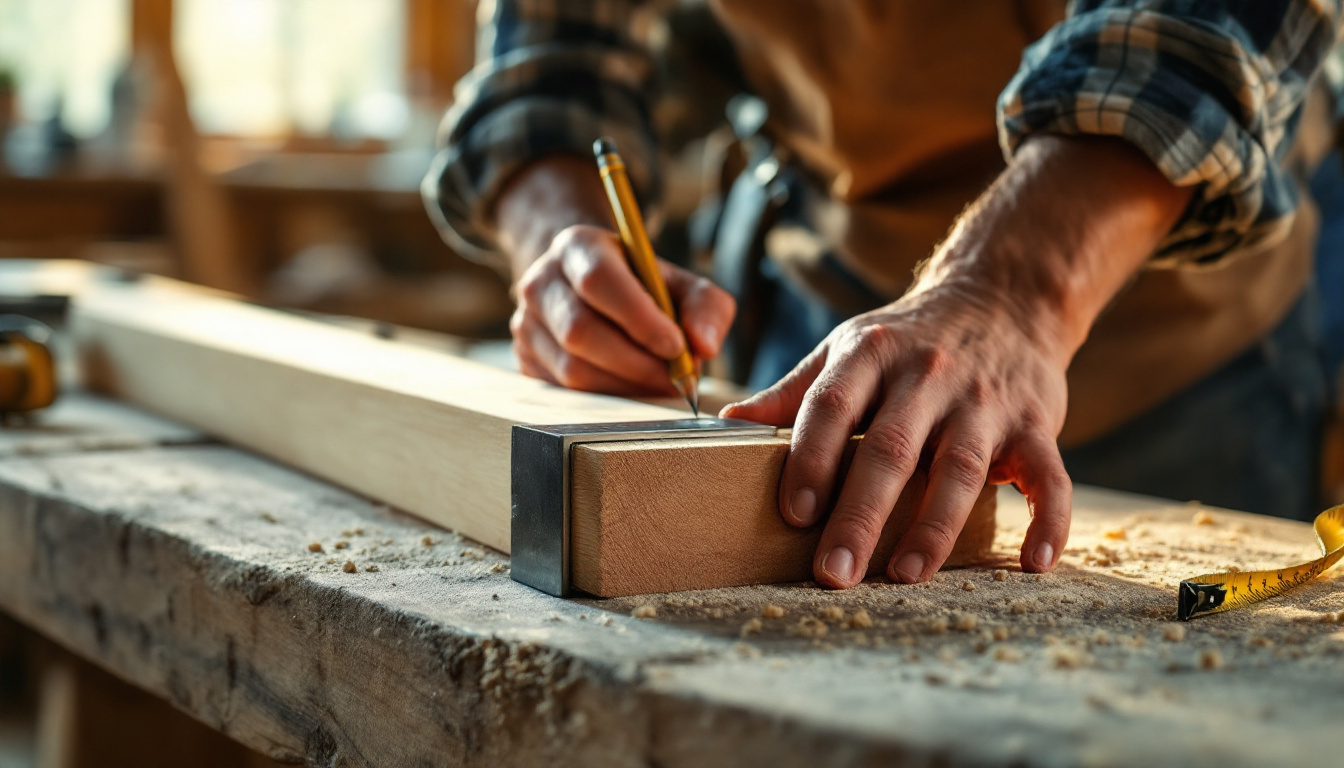
4. A work gallery or “our projects” page
Nothing sells a tradie like proof. A gallery of your genuine work (a finished bathroom, a tidy switchboard, a completed extension, before-and-after shots) does more to win trust than any amount of clever wording. It shows quality, care and that you take pride in what you do.
You can see the idea in action in our work for Inner City Plumbing. Showing genuine local jobs is what turns a browsing homeowner into a caller.
Use real photos of your own jobs, not stock images, and keep adding to it. For builders especially, a strong project gallery with a few words about each job is often the most persuasive page on the whole site.
5. A reviews or testimonials page
People trust other people. A dedicated page pulling together your genuine reviews, ideally fed from your Google Business Profile, gives a hesitant customer the reassurance they need to pick up the phone. Show real names and suburbs where you can, and keep the reviews current.
Sprinkle a few reviews across your other pages too, but a page that gathers them in one place is a powerful trust-builder in its own right, and a natural thing for a considering customer to check.
6. An about page that builds trust
Customers are letting you into their home, so they want to know who you are. A good about page tells your story briefly, shows the real people behind the business, and, crucially for a trade, proves you are licensed, insured and qualified. Displaying your licence number and insurance here removes a big chunk of a customer’s hesitation.
It does not need to be long. A photo of you or the team, a genuine few paragraphs about your experience and values, and clear trust signals are enough to turn a cautious visitor into a confident one.
7. An easy-to-use contact page
When someone is ready to act, the contact page must make it effortless. Include a tappable phone number, a short enquiry form (name, phone, suburb and a line about the job is plenty), your service areas, your hours, and ideally a map. Every extra field or click you remove wins you a few more enquiries.
Do not hide your contact details or bury this page. Many customers head straight here, so it should be one of the clearest, simplest pages on your site.
8. An emergency or after-hours page
For plumbers and electricians especially, a lot of work is urgent: a burst pipe, a power failure, no hot water. A dedicated emergency page, targeting searches like “emergency plumber near me”, captures those high-intent customers at the exact moment they need you. Make it crystal clear that you respond fast, and put your phone number everywhere.
These are often your most valuable customers, because they are ready to book immediately. A page built specifically for them is well worth having if your trade does urgent work.
Trade-specific pages worth considering
Beyond the essentials, a few pages suit particular trades:
- Plumbers benefit from service pages for the searches that bring urgent, high-value work (blocked drains, hot water, gas fitting, leak detection) plus an emergency page.
- Electricians do well with pages for switchboard upgrades, safety switches, rewiring, lighting and emergency electrical, since customers search for these very specifically.
- Builders lean more on a strong project gallery and pages for their main types of work (extensions, renovations, new builds, decks) where showing quality and scope matters most.
The principle is the same across all three: a focused page for each thing your customers search for, backed by proof and an easy way to get in touch.

Common mistakes tradie websites make with their pages
Even well-meaning tradie sites trip over the same issues:
- One “services” page instead of many. The most common and costly mistake, it caps how many searches you can rank for.
- Thin, duplicated suburb pages. Copies with only the suburb name changed can do more harm than good. Each needs genuine, useful content.
- No proof. Missing galleries and reviews leave customers with no reason to trust you over a competitor.
- A buried or clunky contact page. If getting in touch is hard, many visitors simply give up.
- No emergency page for urgent trades. Missing out on the highest-intent, ready-to-book customers.
- Pages that are slow on a phone. Most tradie searches are on mobile, and a slow page loses customers before they see your number.
Fixing these is usually quicker than owners expect, and each one you sort out is a few more jobs a month that stop slipping away.
How the pages work together
The real power comes not from any single page but from how they connect. Think of your website as a system: your service pages and suburb pages act as the front doors, each catching a different local search and bringing the right customer in. Your gallery, reviews and about page then do the convincing, building the trust that turns a curious visitor into a confident one. And your contact and emergency pages make acting on that decision effortless.
Good internal linking ties it all together: a service page that links to the relevant suburb pages, a suburb page that points to your gallery, every page offering an easy path to get in touch. This helps customers move naturally toward booking, and it helps Google understand how your site fits together, which supports your rankings across the board.
It also means you can grow the site sensibly over time. Start with the essentials, then add a new service page when you expand what you offer, or a new suburb page when you push into a new area. Each addition strengthens the whole, so your website keeps pace with your business rather than becoming a one-off that dates quickly. A tradie site built this way is not a brochure that sits still. It is a working asset that keeps bringing in jobs and grows alongside you.
Frequently Asked Questions
What pages does a tradie website need?
At a minimum, a tradie website needs a clear homepage, individual pages for each main service, an about page, a work gallery, reviews, and an easy-to-use contact page. Local service businesses also benefit hugely from suburb or service-area pages, and many trades need an emergency page too. The goal is a page for each important thing customers search for and each thing they need to trust you before they call.
Why do plumbers and electricians need separate service pages?
Because Google ranks pages, not whole websites, and customers search for specific services. A dedicated page for “blocked drains” or “switchboard upgrades” can rank for that exact search and speak directly to what the customer needs, far better than one page trying to cover everything. Separate service pages help you appear for more searches and convert more of the visitors who arrive.
Do tradies need suburb or location pages?
For most local trades, yes. Dedicated pages for the key suburbs and areas you serve help you rank for location searches like “electrician Brunswick” and reassure customers you actually work in their area. Done well (with genuinely useful, unique content for each area rather than thin copies) they are one of the most effective ways for a tradie to win more local jobs.
What makes a tradie website convert visitors into jobs?
Trust and ease. Every page should show real photos of your work, display genuine reviews, prove you are licensed and insured, and make calling or requesting a quote effortless with a tappable phone number and a short form. Fast, mobile-first pages underpin it all, because most tradie searches happen on a phone and customers leave a slow or confusing site quickly.
How many pages should a tradie website have?
There is no fixed number, it depends on how many services and areas you cover. A simple operator might do well with six to ten strong pages, while a plumber or electrician serving many suburbs and offering many services could have twenty or more. Quality matters more than quantity: a handful of genuinely useful, well-optimised pages beats dozens of thin ones.
The bottom line
The best tradie websites are not the flashiest. They are the ones with the right pages, each doing a clear job. A homepage that says exactly what you do, a focused page for every service, suburb pages for the areas you cover, a gallery that proves your quality, reviews that build trust, an about page that shows you are licensed and real, an easy contact page, and an emergency page if your trade needs one. Get those right and your website steadily turns local searches into booked jobs.
You do not have to build them all at once. Start with a strong homepage, your core service pages and an easy way to get in touch, then add suburb pages and the rest as you go. Every page you add well is another way for a customer to find and trust you.
If you would like a website built around the pages that actually win work for your trade, request a chat with 7 Marketing and we will map out the right structure for your business. Prefer to start in writing? Get in touch through our contact page and tell us about your trade and the work you want more of.