
Sooner or later most small business owners ask the same question: should we actually be selling online? Usually it arrives after a customer says “can I just buy that off your website?” and the honest answer is no, or after a competitor launches a store and it feels like the ground has shifted.
It is a bigger decision than it looks, because the two options are not really “a website with a buy button” and “a website without one”. A brochure site’s job is to generate an enquiry. An eCommerce site’s job is to complete a transaction, and completing transactions brings an entire operation with it: stock, photography, packing, postage, returns, and customer questions that arrive at nine on a Sunday night.
Get this right and an eCommerce website opens a revenue stream that works while you sleep. Get it wrong and you pay for a store that sits mostly idle while the enquiries you actually needed go unanswered. This guide walks through how to tell which one your business genuinely needs, including the middle-ground options most owners never hear about. Which platform to build it on is a separate question, and one we cover elsewhere.
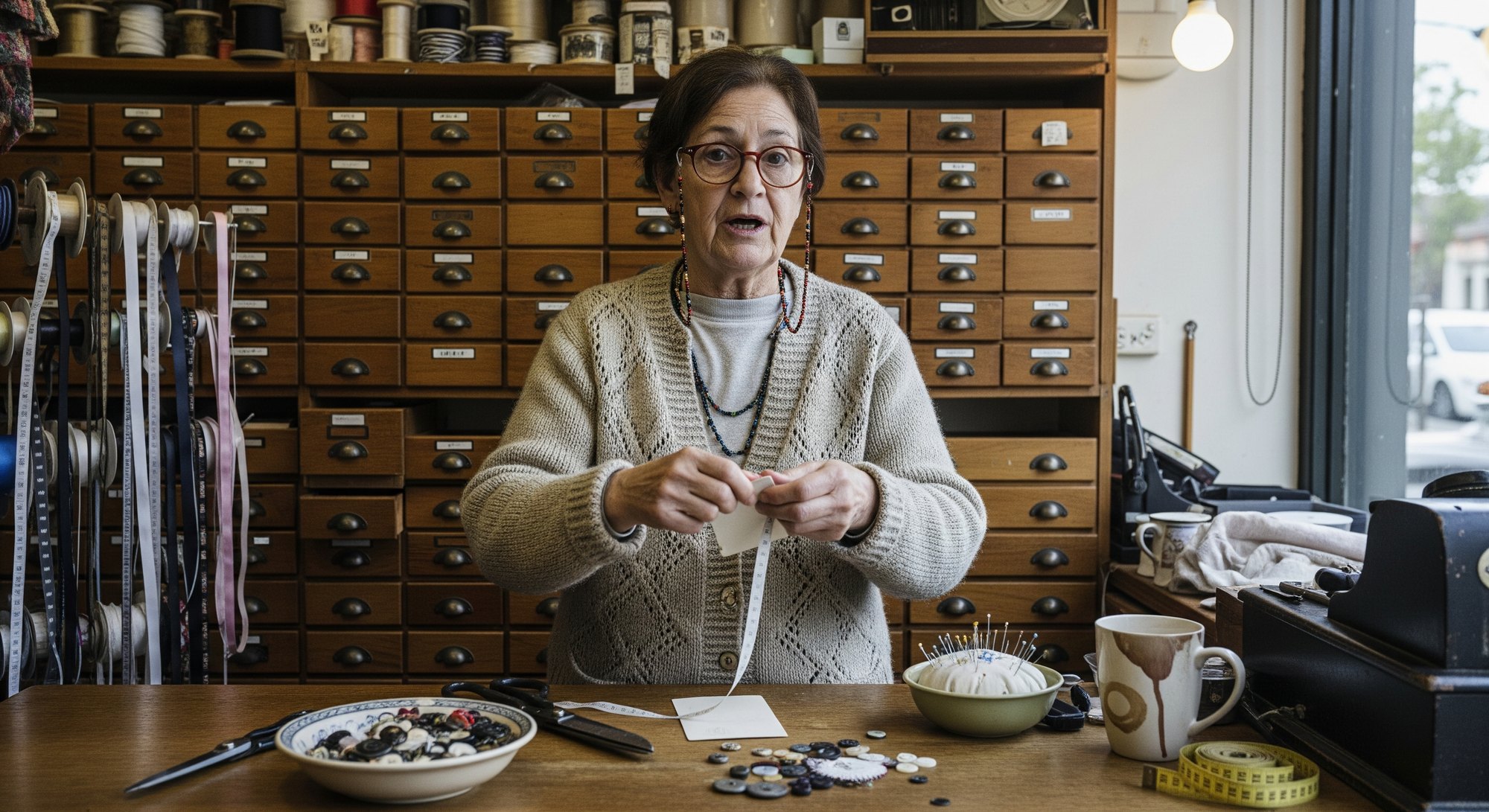
First, in defence of the brochure website
“Brochure site” is often used as a mild insult, as though it means outdated. It does not. It means a website whose job is to explain what you do, build trust and generate an enquiry, and for a very large share of small businesses that is exactly the right job.
A brochure site is the correct choice when:
- The sale needs a conversation. Anything quoted, customised, measured, diagnosed or scoped: trades, professional services, consultants, builders, agencies.
- Price depends on the situation. If you cannot put a number on it without knowing more, a checkout cannot either.
- Trust is the barrier, not convenience. People are not hesitating because buying is awkward; they are deciding whether to trust you.
- Your volume is low and value is high. Ten good enquiries a month can be worth more than a thousand small transactions.
For these businesses, money spent on a store is money not spent on the things that actually convert: clear service pages, proof of your work, local search visibility. Our guide on writing service pages that rank and convert is a better first investment than a shopping cart if that describes you.
The real question - where does the sale actually happen?
Strip the decision back and it comes down to one thing: can a customer decide, pay and be satisfied without talking to you?
If yes, an online store earns its keep. Someone who knows they want a 500ml jar of the thing they bought last month does not need a conversation. They need a checkout, and making them send an enquiry instead is friction that costs you the sale.
If no, a checkout will not fix anything. A customer who needs to know whether the product suits their situation, what it will cost for their circumstances, or when you could fit them in will send an enquiry regardless. Adding a cart just puts a barrier between them and the conversation they were always going to need.
Notice that this has nothing to do with whether you sell “products” or “services”. A photographer selling fixed-price print packages is closer to eCommerce than a homewares maker selling bespoke commissions. It is the shape of the transaction that matters, not the category you are in.
Signs you have genuinely outgrown a brochure site
These are the signals that the sale really is happening, or trying to happen, online:
- Customers keep asking to buy directly. The clearest sign of all. If people regularly ask “can I order this online?”, they are telling you the friction is costing you.
- You are taking orders manually by phone, email or DM. If you are writing invoices by hand for repeat purchases of the same items, you already run a store. Badly, and at your own cost in time.
- Your products are consistent and priced. Fixed items with fixed prices are checkout-ready. Fluctuating, made-to-order items usually are not.
- You have repeat customers buying the same thing. Repeat purchase is where online stores shine, because there is no persuasion left to do.
- You are turning away sales outside your area or hours. People want to buy at 10pm from another suburb, and you are only open Tuesday to Saturday.
- Stock is sitting. A store gives slow-moving inventory a much larger audience than a shopfront.
If several of those are true, the brochure site is now the bottleneck. If none are, adding a store will not create demand that does not exist, a common and expensive mistake.
The middle ground most owners never hear about
The decision is usually presented as brochure site or full online store. In practice, most of the value sits between the two, and this is where a lot of Australian small businesses land:
- A few products, simply sold. You do not need a catalogue. A handful of your best sellers with a simple checkout captures most of the benefit with a fraction of the work.
- Deposits and bookings online. Take a deposit to secure a job, or let people book and pay for a session, a class or a service window. Hugely effective for trades, studios and practitioners.
- Quote to invoice. Keep the enquiry-based sale, but let customers accept and pay online once you have quoted. Same conversation, far less chasing.
- Wholesale or trade ordering. A password-protected area where stockists reorder without phoning you. Often the highest-value version of eCommerce for a maker.
- Click and collect. Sell online, fulfil in person. Removes postage entirely, which is often the part that makes the numbers not work.
- Online payments for agreed work. Not a shop at all, just a way to get paid faster.
Charities are a good illustration of this thinking. Tender Love Orphan Care has no products to ship, but the site needed to take secure recurring donations and child sponsorships from supporters worldwide. The transactional machinery of eCommerce applied to something that is not retail at all. The right question is never “do I want a shop”, it is “what transaction do I need my website to complete?”

The part nobody budgets for - the store is an operation
This is where most stalled online stores go wrong. The build is a project with an end date. Running the store is a job that never ends.
Before committing, be honest about who does the following, every week, forever:
- Product photography. Every product needs good, consistent images. This is the single most underestimated cost, and poor photos sink a store faster than anything else.
- Descriptions and specifications. Sizes, materials, ingredients, care instructions, shipping dimensions. Written once per product, but properly.
- Stock accuracy. Selling something you do not have is worse than not selling it. If you also sell in person, you need one source of truth.
- Packing and dispatch. Boxes, filler, labels, a trip to the post office. Time it honestly, an order takes longer to pack than people expect. Australia Post has business tools and rates worth understanding before you set your shipping prices.
- Postage that adds up. Shipping is the most common reason online store economics fail for small, low-margin products. Work it out before you build, not after.
- Returns and refunds. You need a policy, and you need to honour it. Under Australian Consumer Law, consumer guarantees apply to online sales just as they do in store. The ACCC sets out what you are obliged to provide.
- Customer questions. Where is my order, does this fit, can I change it. A store creates an inbox.
None of this is a reason not to build a store. It is a reason to build one deliberately, with the time and systems to run it. Government guidance at business.gov.au covers the wider obligations of selling online in Australia and is worth reading before you commit.
A simple test
Answer these honestly:
- Can a customer choose the right product without asking me a question?
- Is the price the same for everyone?
- Do people already try to buy from me directly?
- Can I photograph and describe every product properly?
- Do I have somewhere to store stock and time to pack orders?
- Do the numbers still work after postage and payment fees?
Five or six yes, build the store. The demand and the operation are both there. Three or four, start with the middle ground. Sell a few products or take deposits online, prove it, then expand. Two or fewer, stay with a brochure site and put the money into being found and being trusted. You will make more from it.
The order matters, too. It is almost always easier to start with a fast, well-structured site that generates enquiries and add a store once you know what actually sells, provided the original build anticipates it. Retrofitting a store onto a dated site is the expensive path, which is one of the signs it is time to rebuild rather than tweak.
We took this staged approach with Lincoln Morrey Photography, pairing a portfolio-led website with an online shop so the work does the selling and the store handles the transaction, rather than bolting a generic cart onto a site that was never designed for it.

What it does to your marketing
One last thing worth knowing before you decide: the two types of site are marketed differently.
A brochure site succeeds on local search and trust, showing up when someone nearby needs what you do, then convincing them to call. A store succeeds on product search, range and repeat custom. Being found for the specific thing someone wants to buy, often from well outside your suburb, and getting them back again.
That changes where the effort goes. A store needs every product page treated as a landing page, competitive product-level search visibility, and a way to bring past customers back. It is a different and generally more demanding marketing job than ranking a handful of service pages locally. Factor that in. The website is the smaller half of the commitment.
Frequently Asked Questions
Do I need an eCommerce website or a brochure website?
It depends on whether the sale genuinely happens online. If customers can choose a product, pay and have it delivered without needing to talk to you, an eCommerce site earns its keep. If your work is quoted, customised or booked after a conversation, a brochure site that generates enquiries is usually the better and cheaper investment. The deciding question is not what you sell. It is how the sale actually gets made.
How much more does an eCommerce website cost than a brochure site?
The build itself is typically the smaller difference. A store adds product setup, payments, shipping rules and tax configuration, so it costs more up front, but the bigger difference is ongoing. Product photography, stock management, packing, postage, returns and customer questions become permanent jobs. Budget for the operation, not just the website, or the store will quietly stall.
Can I add an online store to my existing website later?
Usually yes, and it is often the smart order of events. Get a fast, well-structured brochure site earning enquiries first, then add a store once you know what sells and have the systems to fulfil it. Building on a sound foundation is far easier than retrofitting a store onto a dated site, so it is worth making sure the original build anticipates it.
Is an online store worth it if I only have a few products?
It can be, particularly if the products are ones people buy without asking questions. A small, tightly focused store often outperforms a sprawling one because it is quicker to photograph, simpler to keep in stock and easier for a customer to choose from. The risk is not too few products. It is products that genuinely need a conversation before someone buys.
What are the alternatives to a full online store?
Plenty sit between a brochure site and a full store: a handful of products sold through a simple checkout, deposits or bookings taken online, a quote request that becomes an invoice, wholesale ordering for trade customers, click-and-collect, or online payments for services already agreed. These capture most of the convenience with a fraction of the ongoing overhead.
The bottom line
An online store is not an upgrade to a brochure website. It is a different machine with a different job, and it comes with an operation attached.
Build one when the sale genuinely completes itself online: consistent products, fixed prices, customers already trying to buy, and the time to photograph, stock and post. Stay with a brochure site when the sale needs a conversation, and put the money into being found and trusted instead. And if you are somewhere in the middle, which most businesses are, take the middle path: sell a few things, take deposits, let quotes be paid online. Prove the demand before you build the warehouse.
If you would like a straight answer on which one your business actually needs, request a chat with 7 Marketing and we will look at how your sales really happen before recommending anything. Including telling you if a store would be a waste of money. You can see the kind of work we do across our client projects, or get in touch through our contact page and tell us what you are trying to sell.