
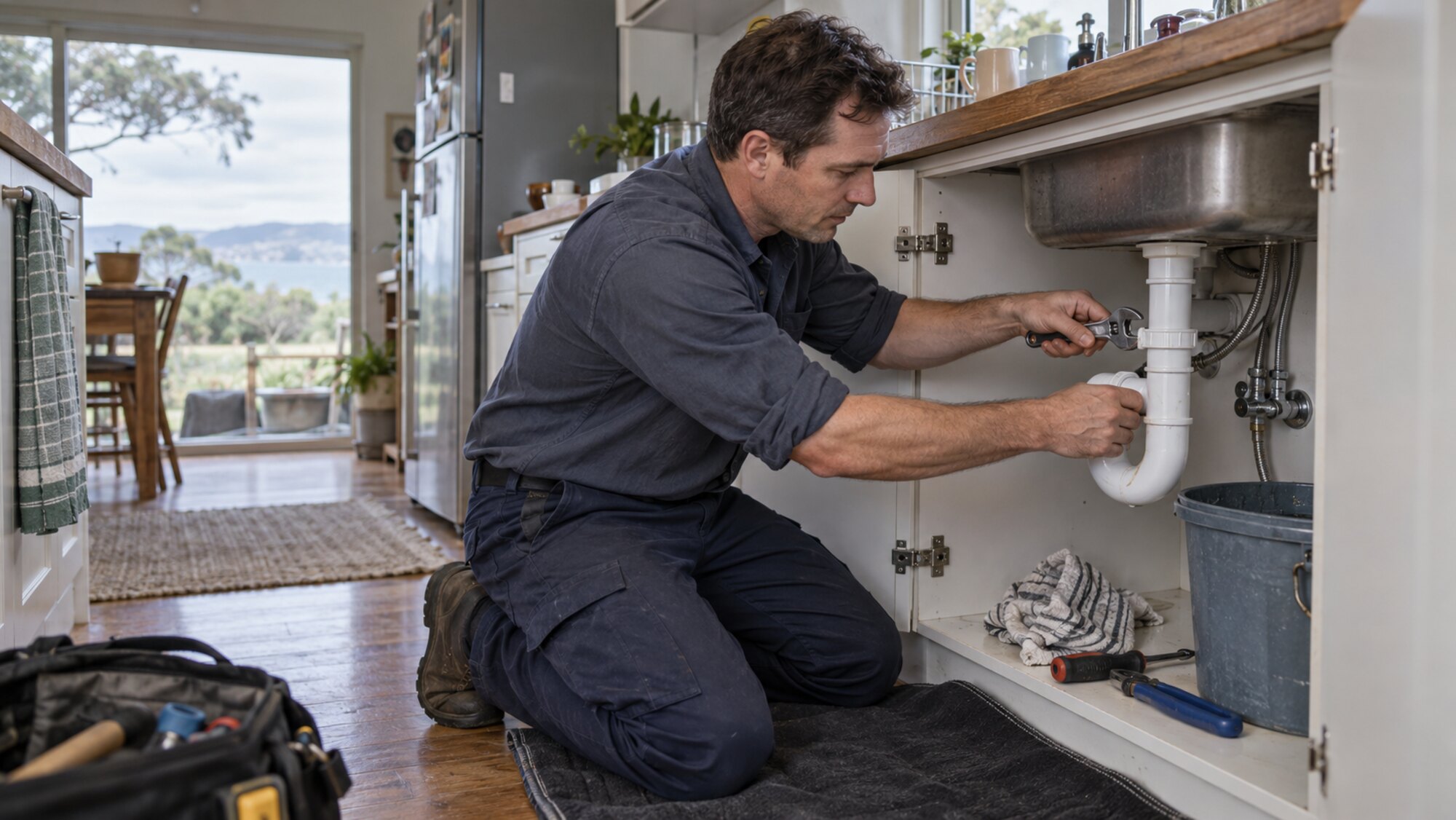
Your website is working. Enquiries arrive, the phone rings occasionally, and the form sends you an email at nine at night. And yet the diary is patchy, and every so often you find out the job went to someone else, which is confusing because they contacted you first.
Here is the thing most of the advice misses. On the Peninsula, a homeowner with a problem rarely contacts one trade. They contact three or four, usually in the same sitting, often on a Sunday night. Your website did its job by getting you into that group. Everything that decides the outcome happens afterwards.
We have written the groundwork elsewhere. What a tradie website should include covers the features, and the best website pages for plumbers, electricians and builders covers the structure. Both apply here. This is about the gap between the enquiry landing and the job being yours, and why that gap is wider down here than it is in the suburbs.
The enquiry is not the win, the callback is
Think about what actually happens on the other end. Someone has a hot water service leaking into the laundry. They search, they open four tabs, they fill in three forms and call one number. Then they wait.
The first credible response usually takes the job. Not the cheapest, not the best website, not the one with the nicest logo. The first one that sounds like a real person who has done this before and can say roughly when they could come.
This is not a Peninsula phenomenon, but it is sharper here for two reasons. In summer every trade is flat out, so the odds that your three competitors are also slow go up, which means the reward for being quick is enormous. And a good share of these enquiries come from people who are not local, have nobody to ask, and are working entirely off who gets back to them.
The practical version is unglamorous. A holding message within a couple of hours, even from the ute, beats a considered quote two days later. Something like: got your message, sounds like the outlet rather than the unit itself, I can look Thursday morning or Friday afternoon, roughly this much to diagnose. That message takes ninety seconds and wins work that a better website alone would not.
It is worth doing the arithmetic on this once. Say forty enquiries come in over a year and you convert a quarter of them, which is fairly normal for a trade relying on the website. If replying faster lifts that to a third, that is three or four extra jobs. For most trades down here that is somewhere between five and fifteen thousand dollars of work, from a habit that costs a few minutes a day and no money at all. It is almost always a better return than anything you could spend on the site itself.
Half your customers are not standing in the house
This is the part that genuinely differs from working in Cheltenham or Frankston South.
A large slice of Peninsula work comes from people who do not live at the property. Melbourne owners with a place in Blairgowrie or Rye, families who bought during the last few years and come down a dozen weekends a year, people managing a rental from ninety minutes away, and occasionally someone who has inherited a house and is trying to get it sorted from Brisbane.
They cannot meet you on site. They cannot pop out to buy a part. They often cannot tell you what the thing is called, only what it is doing. And they are authorising a stranger to do work on a house they are not standing in, which takes more trust than a normal job.
What that changes:
- Photos have to do the work a site visit would. Not glamour shots. Ordinary, clear photos of finished jobs like theirs, so they can see you have done this before.
- You have to be quotable at a distance. A trade who can only quote in person is effectively unavailable to a third of the Peninsula market.
- Somebody has to let you in. Key arrangements, agents, neighbours, lockboxes. The trades who handle this smoothly get the repeat work, because it is the part the owner dreads.
- Written beats verbal. They will forward your message to a partner who was not part of the conversation. If it only exists as a phone call, it does not survive that.
None of this is harder than normal work, but it is different, and it rewards the trades who set it up once rather than improvising each time. Having a standard way to ask for a video, a standard sentence about key access and a standard quote format turns the awkward jobs into ordinary ones, which is the whole difference between chasing this market and owning a share of it.
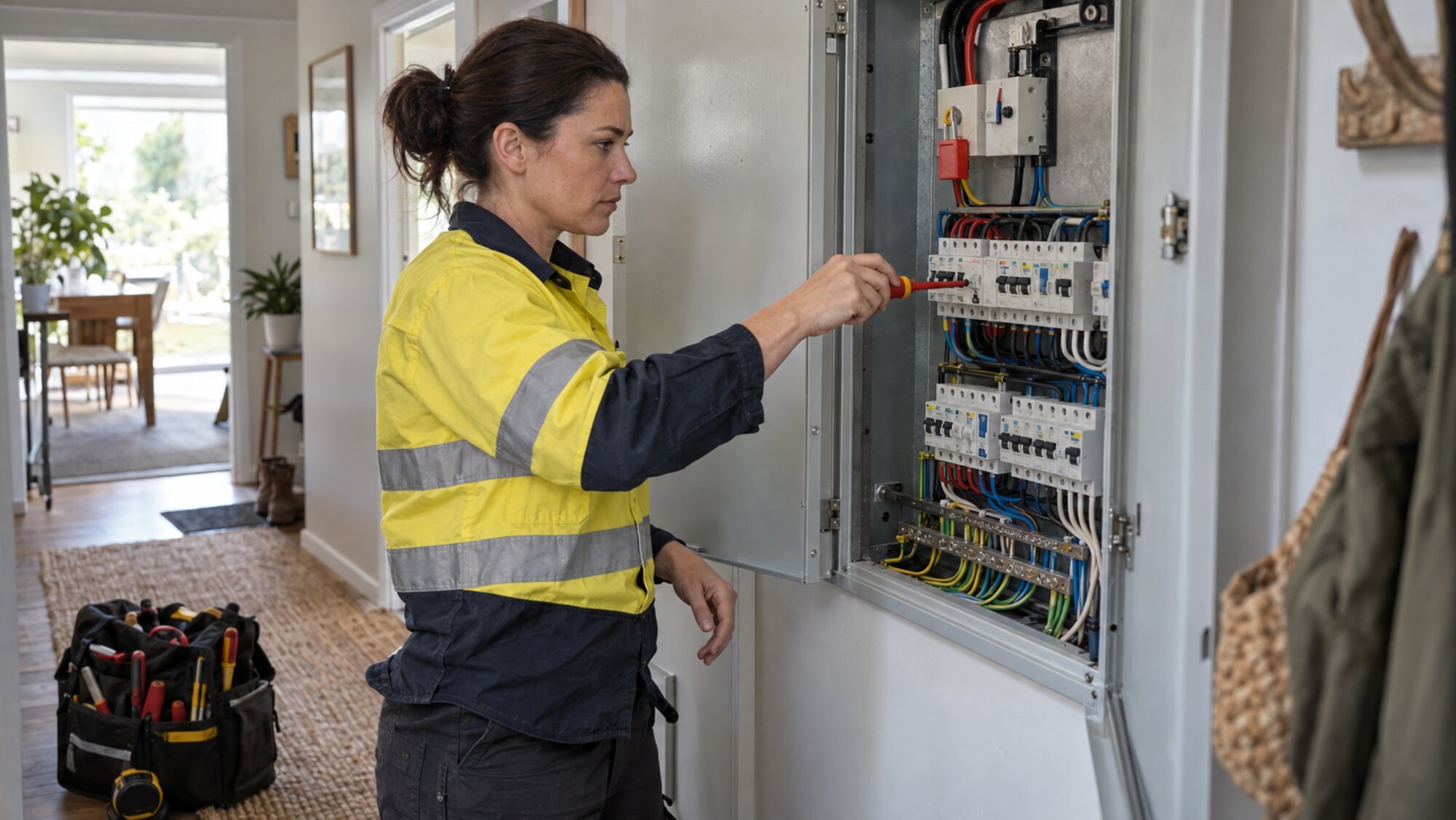 Half the time the owner is not in the house while this is happening. That takes more trust than a normal job, and the website is where most of it gets built.
What the website has to do before you ever speak
Given all of that, a few things on the site do disproportionate work. These are not the generic feature list, they are the ones that matter specifically for this customer.
Say where you actually go, including where you stop. Not “servicing the Mornington Peninsula”. The suburbs you genuinely cover, and if you charge travel past somewhere, say so. This costs you a few enquiries you did not want and wins you the ones inside your range, because the customer can tell immediately whether to bother. It also matters for being found at all, which we went through in why you rank in Mornington but not in Rosebud.
Put a number somewhere. A call-out fee, a typical range, an hourly rate. Absentee owners in particular have no local reference for what things cost down here, and the ones who can afford you are reassured rather than deterred. The trades who refuse to indicate anything spend their evenings quoting jobs that were never real.
Show the work, not the tools. Twelve honest photos of finished jobs beat a stock image of a spanner. Phone photos are fine. Getting a month of content from one job is the same habit applied to social, and the photos serve both.
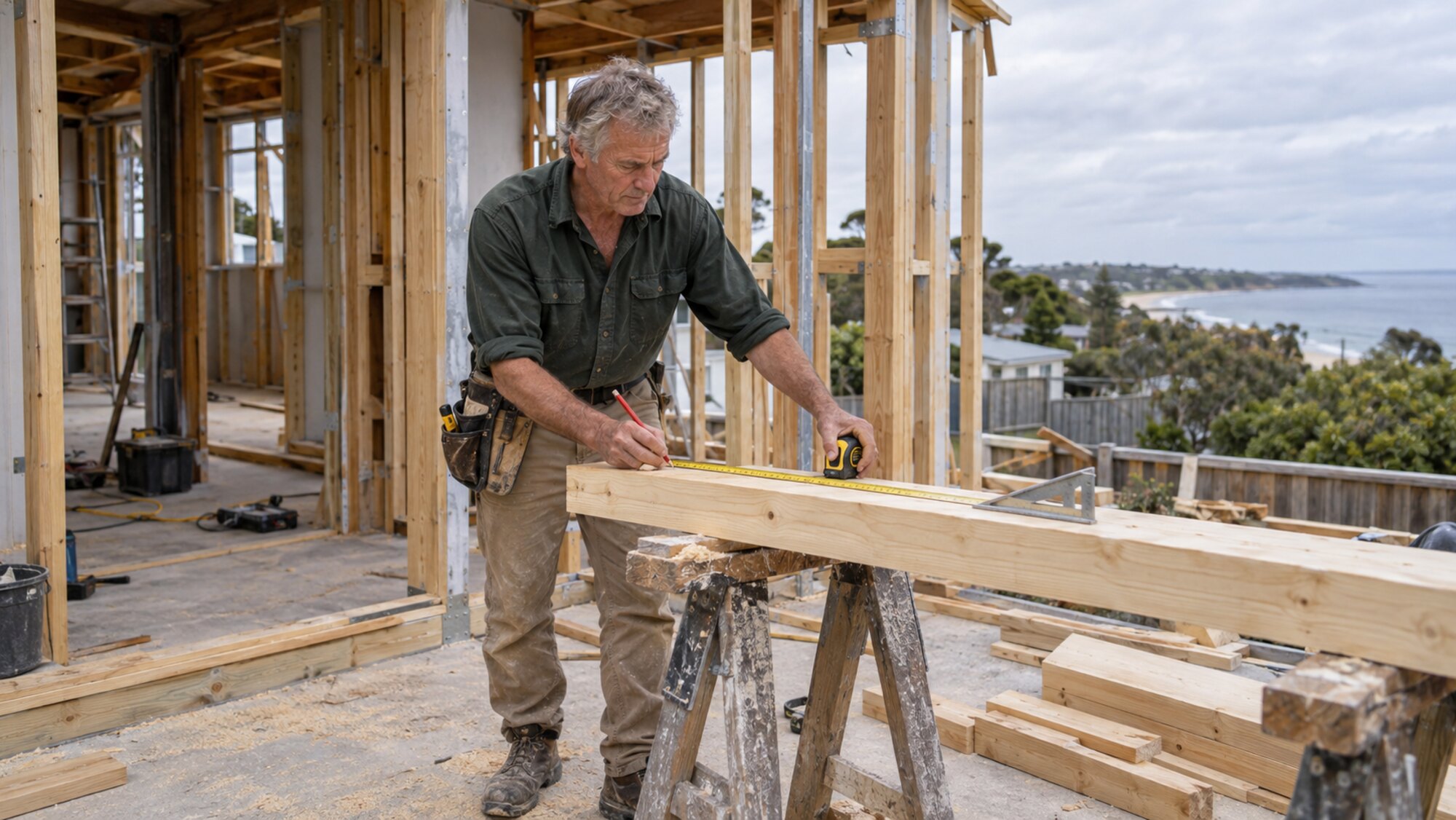 Photos of your own work are the cheapest thing on this list and the closest a remote owner gets to a site visit.
Make it obvious who you are. A name, a face, a licence number, how long you have been going. For someone handing over a key to a house they are not in, this is not fluff.
Let the reviews name the suburbs. A review that says the job was in Rye does more than a five star rating with no detail, because it proves you actually travel there rather than just listing it. You cannot write these yourself, but you can ask in a way that prompts them: asking someone to mention what the job was and where usually gets you both. Why reviews matter for local SEO goes through the rest of it.
Say how fast you reply, then do it. If the site says same day, it has to be same day. This is the easiest promise on the page to make and the most damaging one to break.
Quoting somebody who is ninety minutes away
Most trades treat remote quoting as a compromise. Done properly it is a competitive advantage, because the three competitors are probably insisting on a site visit they cannot schedule until the week after next.
Ask for a short video rather than photos. Tell them exactly what to film: the whole room first, then close on the thing, then the meter box or the stopcock. Thirty seconds of video answers more questions than six photos and takes them less effort.
Give a range with the variables named. “Between this and this, and it goes to the top of that if the pipework behind the wall is the old stuff, which I will know within ten minutes of being there.” That sentence does two jobs. It is honest, and it inoculates you against the conversation where the price changes on the day and the customer feels ambushed.
Put it in writing, even briefly. A text message with a number in it is a quote as far as the customer is concerned, and it is the thing they forward to whoever else is deciding.
And be clear about what happens if it is worse than it looked. Agreeing the process in advance, that you will stop and call before going past the range, is the single thing that turns a remote job from a risk into a routine one.
Saying no properly is worth actual money
You cannot take everything, especially in January. How you decline is worth more than most trades think.
The two bad versions are silence, and a reply three days later saying you are booked. Both convert a potential long-term customer into someone who now has a story about Peninsula trades.
The good version costs a minute. Cannot get to this one, try these two, tell them I sent you. Or, booked until the third week of February, happy to come then if it can wait, otherwise here is someone who could do it sooner.
People remember this. It is the most common way we see trades down here get repeat work from customers they never actually worked for, and it costs nothing but the message. It also tends to be reciprocated, which matters in a market small enough that everyone knows everyone.
The part your website genuinely cannot fix
Worth being straight about this, because it is where a lot of money gets wasted on the wrong thing.
If you are not being found at all, that is a search problem and a new website may help. If enquiries arrive and die, a new website will not fix it, and rebuilding is an expensive way to avoid changing how you answer the phone. Our piece on when to rebuild a website instead of tweaking it sets out where that line sits.
The honest test is simple. Count the enquiries you got last month and count the ones you replied to within four hours. If the second number is well under half the first, the website is not your problem, and no amount of design will change that.
Frequently Asked Questions
How fast do I need to reply to a website enquiry?
Same day, and within a couple of hours if you can manage it. A Peninsula homeowner usually contacts three or four trades in one sitting, so you are not being judged against your own standards, you are being judged against whoever replied first. A short holding message sent from the ute at lunchtime beats a considered reply two days later, because by then the job is generally gone.
Why do I lose jobs after the customer has already contacted me?
Almost always speed, and occasionally silence. The enquiry means your website did its job and you made the shortlist. What decides it after that is who responds first, who sounds like they have done this exact job before, and who makes it easy for someone who cannot be on site. None of that is on your website, but your website can set all three of them up.
How do I quote a customer who lives in Melbourne and is not at the property?
Ask them for photos and a short video walkthrough on their phone, give a range rather than a fixed figure, and be explicit about what would change it. Most absentee owners are entirely comfortable with this because they have no alternative. What loses them is a trade who insists on a site visit that cannot be arranged for three weeks, or who quotes a firm number and then revises it upward on the day.
Should my website say which suburbs I actually cover?
Yes, and be honest about the edges. Naming the places you genuinely work saves you quoting jobs you do not want and saves the customer waiting on a reply that was never coming. If you charge for travel past a certain point, say so on the site. Nobody has ever been annoyed by a travel policy they read before they called.
Do I need prices on a tradie website?
Not exact prices, but a range or a call-out fee helps more than it costs. It filters out the jobs you do not want and it reassures the people who can afford you, which matters on the Peninsula where a lot of enquiries come from people with no local reference point for what things cost. The trades who refuse to indicate any number at all tend to spend their evenings quoting work that was never going to happen.
The bottom line
A tradie website on the Mornington Peninsula has a narrower job than the advice usually suggests. It has to get you found, make you look like a real operator, say honestly where you work and roughly what you charge, and show enough finished work that somebody ninety minutes away is willing to hand you a key.
After that, it is out of the website’s hands. The job goes to whoever replies first, quotes clearly at a distance, and says no politely when they cannot take it. Those three habits cost nothing and beat a redesign comfortably.
If you want to see how we build for trades, Funkesound in Frankston fits antennas and home theatre from the top of the highway down, and Inner City Plumbing shows the same approach in a busier metro market. There is more in our client projects and on our websites for tradies page.
If you are not sure whether your problem is the website or what happens after the enquiry, request a chat and we will tell you honestly, including when the answer is that you do not need a new site. Prefer to start in writing? Get in touch through our contact page.